Hartebeest
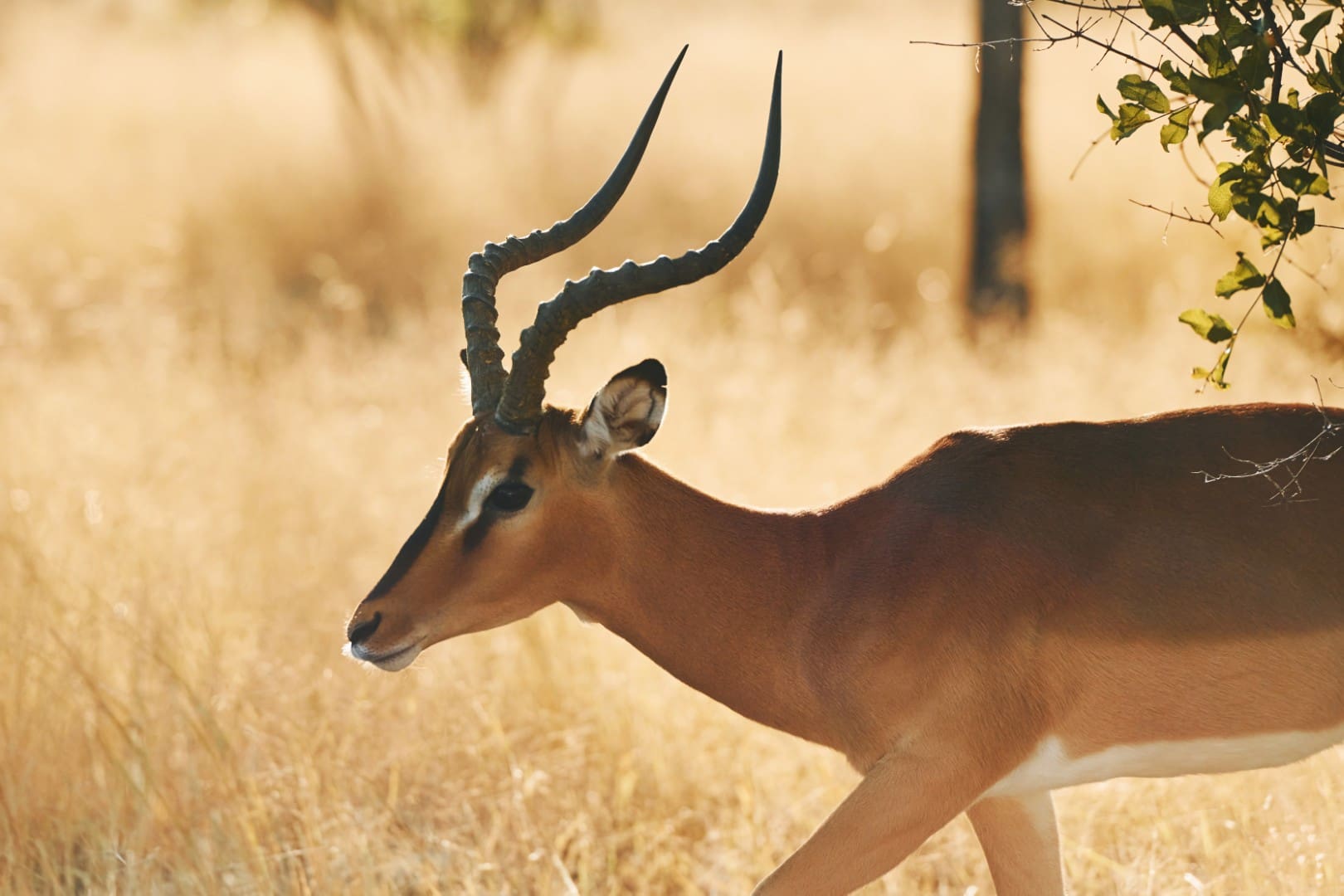
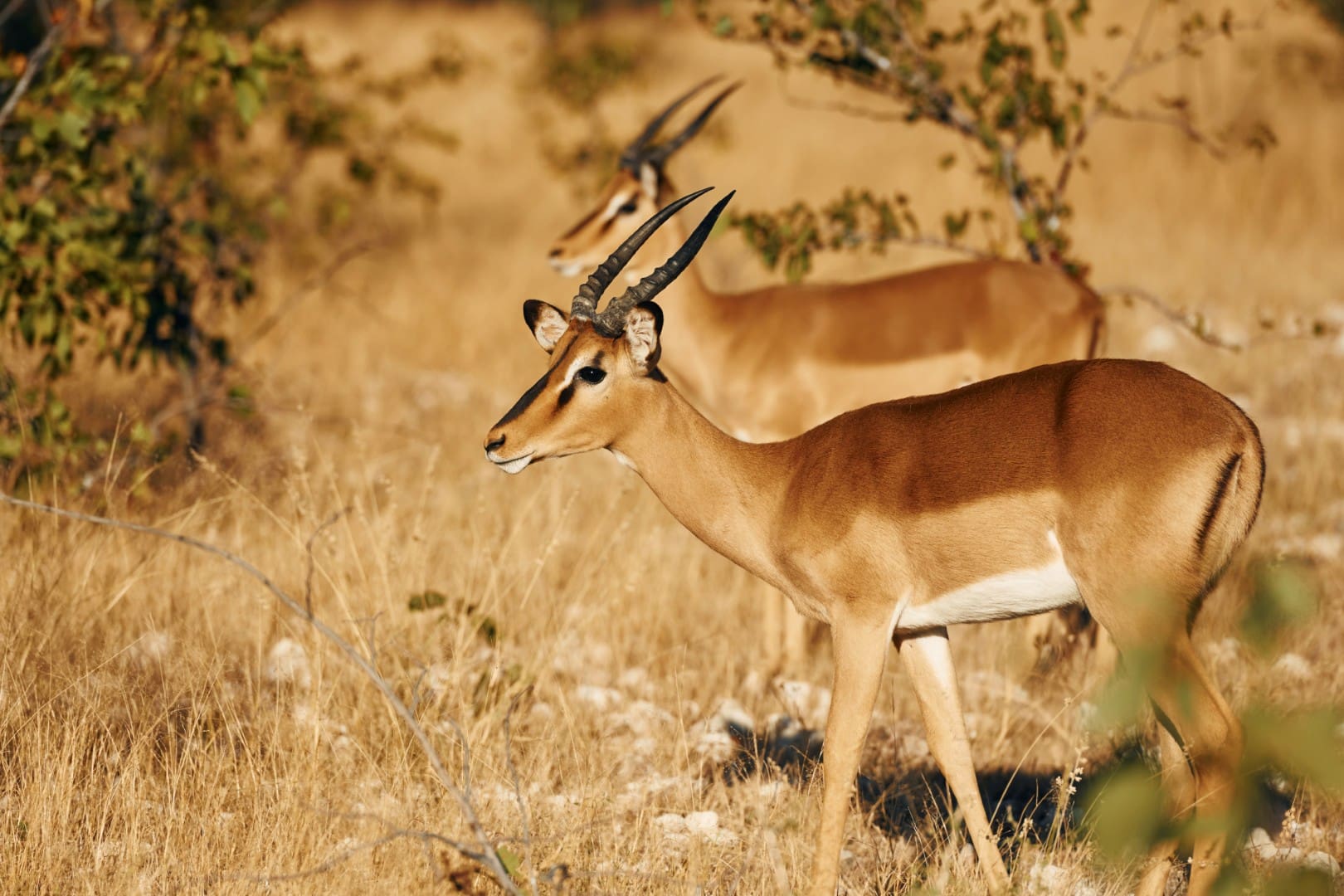
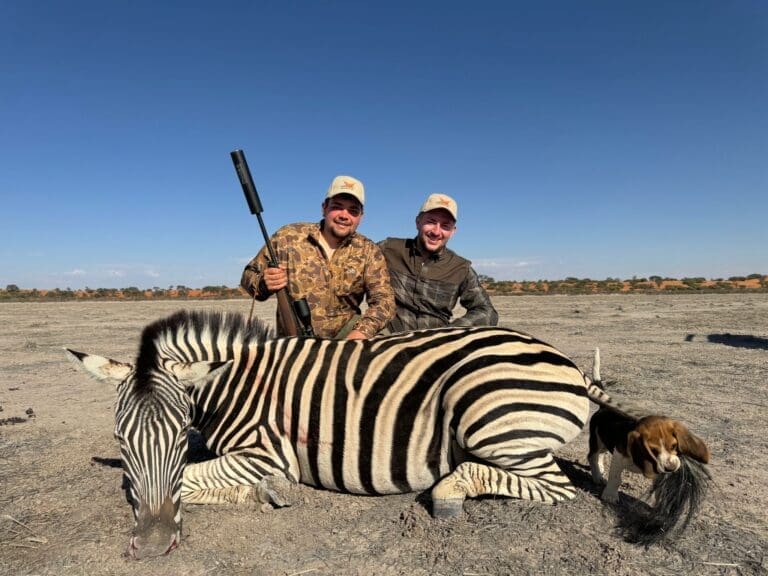
The Hartebeest is a distinctive African antelope with a distinctly elongated face, a high back that slopes toward the rear and uniquely shaped horns in both sexes, prized by hunters for its variety of subspecies and classic importance in African safari. It is characterized by its massive body, long legs, reddish brown to golden coloration, and horns with a distinctive shape depending on the subspecies – from lyrate to curled backward and upward. Hunting hartebeest is a traditional fawn safari experience, requiring the ability to shoot accurately at medium and long distances, knowledge of herd behavior and the ability to quickly assess trophy quality in open savannas.
Hartebeest
All offers
 Kalahari
Hunting map
Where do you hunt for hartebeest?
Hartebeest comes in several subspecies distributed in different regions of sub-Saharan Africa. The Red Hartebeest (Alcelaphus buselaphus caama) inhabits southern Africa in Botswana, Namibia, South Africa and Zimbabwe. Lichteinstein’s Hartebeest (Alcelaphus lichtensteinii) is found in Tanzania, Zambia, Zimbabwe, Mozambique, Malawi and the Democratic Republic of Congo. The kongoni or Coke’s Hartebeest (Alcelaphus buselaphus cokii) inhabits Kenya and Tanzania. Jackson’s Hartebeest (Alcelaphus buselaphus jacksoni) is found in Uganda, Kenya and Tanzania. The Western or Tora’s Hartebeest (Alcelaphus buselaphus tora) inhabits Ethiopia, Eritrea and Sudan. The Swayne’s Hartebeest (Alcelaphus buselaphus swaynei) is endemic to Ethiopia. South Africa offers excellent hunting opportunities for red hartebeest in the Northern Cape, Free State, North West and Limpopo provinces with professional infrastructure of hunting ranches. Namibia provides hunting in the spectacular landscapes of the Kalahari and central plains. Botswana offers hunting in natural environments with less hunting pressure. Tanzania provides hunting for several subspecies – kongoni, Lichteinstein and Jackson – in classic safari areas like Selous, Ruaha, Maswa and Serengeti, where hartebeests are abundant and achieve high trophy quality. Zimbabwe and Zambia offer Lichteinstein hartebeest hunting in the Lowveld, Save Valley and Luangwa Valley regions. Ethiopia provides unique and extremely rare hunting opportunities for Swayne’s and Tor’s hartebeest, although availability is very limited due to critical population status and strict protection. All of these destinations combine a diversity of hartebeest subspecies, spectacular landscapes of open savannas and grassy plains, and the opportunity to acquire distinctive trophies as part of a comprehensive African antelope safari.

Hunting calendar
When to hunt for hartebeest?
The hartebeest hunting season varies from country to country and region to region. In South Africa and Namibia, red hartebeest hunting is available year-round, although the optimal period is during the drier and cooler months of April through September. Early autumn and winter, especially from May to August, offer comfortable temperatures, excellent visibility on the open plains and active animals concentrating around water sources. July and August are the peak season with ideal conditions for hunting in open areas. In Tanzania, the main season runs from July to October and January to March for all subspecies of hartebeest, with July, August and September as the peak season. Zimbabwe and Zambia offer the best conditions from May to October during the dry season. Botswana has its optimal season from April to October. In Ethiopia, for the rare western subspecies, the season is strictly limited and usually available from October to March. Hartebeest is active mainly during the early mornings and late afternoons, with long periods of resting in the shade or open spaces during peak heat, often standing motionless on the hills observing its surroundings.
When planning a hartebeest hunt, it is crucial to understand their herd lifestyle and environmental preferences. Hartebeests live in groups of a dozen to a few dozen individuals, often joining together to form larger flocks on open plains, especially during seasonal migrations. Mature males occupy and defend territories in the best pastures in an attempt to contain herds of females, while young males form bachelor groups on the periphery. Hartebeest prefers open grassy savannas, plateaus and plains with scattered stands of trees, where its excellent eyesight and body structure allow it to detect predators early. A distinctive feature of the hartebeest is its observation position on thermitiers, hills and small hills, from where territorial males control their territories and watch for potential threats. Hunting takes place mainly by stalking in open areas, which requires the use of terrain, natural depressions, termites and scattered vegetation as cover. The Hartebeest is characterized by excellent eyesight and alertness, regularly observing its surroundings with its head elevated, which requires the hunter to be patient and plan each step of the approach with precision. Cooperation with an experienced professional hunter (PH) is essential for identifying mature males and assessing the quality of the trophy-horns in terms of length, base thickness, spacing and distinctive shape specific to the subspecies. In the red hartebeest, the horns have a characteristic lyriform shape with a backward and outward curve, in the Lichteinstein they are more upright and pointing backward, in the kongon they are elongated and slightly lyriform, and in the Jackson they have a characteristic heart-like curve. Shooting is often done at distances of 150 to 300 meters in open areas, requiring a stable position with shooting sticks and precise aiming at the vital zone behind the shoulder blade. Hartebeest is a relatively hardy antelope requiring proper gun calibration (minimum .270 Win, .30-06, 7mm Rem Mag or .300 Win Mag) and precise shot placement for humane acquisition. Weather conditions, especially wind direction and heat affecting mirages, have a significant impact on hunting strategy and precision shooting at long distances. The ethical aspects of hartebeest hunting are relatively uncontroversial for common subspecies like the red, kongoni and Lichteinstein, which have stable populations managed as game species. However, rare western subspecies like Swayne’s and Tor are critically endangered and are under the strictest protection with minimal or no hunting available. All legal hunting is done within limits and management plans, with a preference for mature territorial males. Hartebeest horns are characteristic of each subspecies and are unique trophies in African antelope collections, although they are not as spectacular as kudu or eland. Skull preparations with horns or full taxidermy preparations capture well the distinctive silhouette with an elongated face and unique horn shape. Hartebeest also provide good hunting meat valued by local communities. Hartebeest hunts are often part of larger plains antelope safari packages, allowing a diversity of species and subspecies to be captured. For hunters collecting African antelope, collecting the various subspecies of hartebeest presents interesting challenges due to their geographic distribution and morphological differences. Regardless of subspecies and location, hunting hartebeest requires adherence to hunting ethics, the ability to shoot long distances in open areas, and respect for this distinctive species of open African savannas, which plays an important role in grassy plains ecosystems and is a classic part of traditional safaris.
Testimonies
The best hunt with us

See what customers who have hunted with us say about us.


Janusz K. - Polska

“The red deer hunt with The Hunting Hub was perfectly organized from start to finish. The hunting grounds were well chosen, the guides had excellent knowledge of the area and were very professional. The excitement during the rut and the quality of the trophy met all my expectations. I definitely recommend it.”
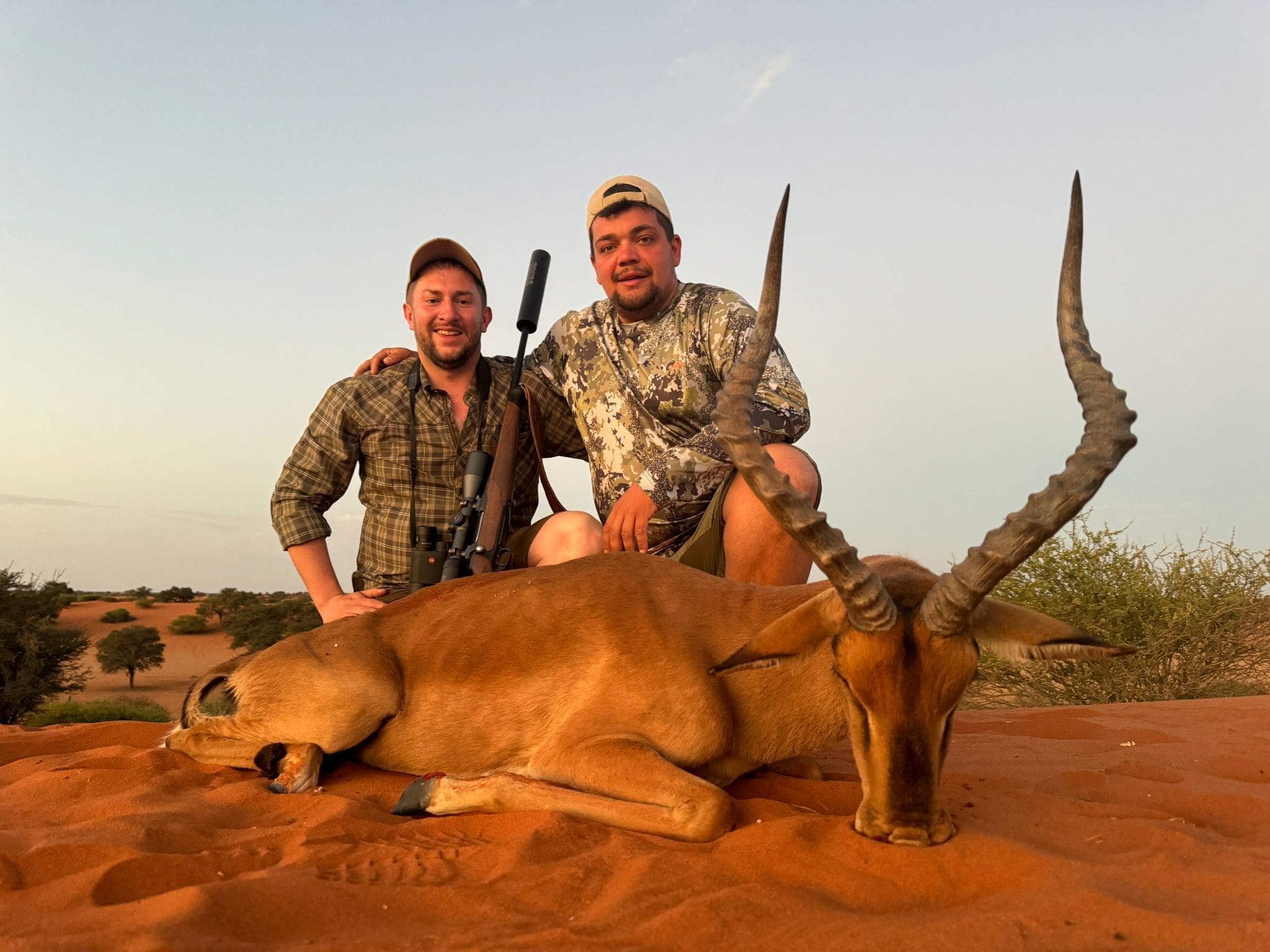
Arkadiusz Malarczyk "The trip to Namibia with The Hunting Hub exceeded my expectations. Impala, oryx, and other African species in their natural habitat, excellent logistics, and the vast knowledge of the local PHs. It was a real adventure of a lifetime, and definitely not my last trip to Africa."
Michael Schmiele - Germany
The roebuck hunt during the rut was perfectly timed and professionally guided. Great knowledge of the area and animal behavior resulted in real hunting opportunities. The Hunting Hub proved to be a reliable and highly professional outfitter.”
Jonathan - DaniaaJonathan - Denmark
An der von The Hunting Hub organisierten Drückjagd teilzunehmen war ein echtes Highlight. Hervorragende Organisation, hohe Sicherheitsstandards und außergewöhnlich viel Wild auf den Treiben
Peter Veerland - Netherlands
De muflonenjacht in Tsjechië met The Hunting Hub was een uitzonderlijke ervaring. Prachtige bergachtige jachtgebieden, sterke populaties muflons en zeer professionele begeleiding. Alles was perfect georganiseerd en het niveau van de jacht was bijzonder hoog. Absoluut een aanrader voor elke veeleisende jager
Contact
Contact us and ask about hunting with The Hunting Hub
Are you looking for an unforgettable hunting trip? Contact us via the form or by email/phone. We will listen to your needs and create the best offer for you.
We are here to answer your questions

Jakub Filip Jabłoński DE / ENG / POL
CEO of The Hunting Hub
 contact@thehuntinghub.com
 +48 570 731 282
 Warsaw, Poland
01
Fill out the form
02
We will call you back within 24 hours
03
We will discuss your requirements
04
We will present you with an offer
 We will go on an adventure
Animal species