Cheetah
The cheetah is the world’s fastest land animal, prized by hunters for its elegance, trophy uniqueness and the extreme controversial nature of hunting this endangered predator. It is characterized by its slender, aerodynamic body, distinctive black teardrop patches running from its eyes to its snout, a golden coat covered with black spots, and an extraordinary ability to reach speeds in excess of 100 km/h. Cheetah hunting represents one of the most controversial and ethically complex hunting experiences, available only on a very limited basis, requiring special permits and awareness of the critical conservation status of this iconic species.
Cheetah
All offers
 Kalahari
Hunting map
Where do you hunt cheetah?
The cheetah is now found in a much reduced range compared to its historical range, inhabiting vast areas of eastern and southern Africa and a small isolated population in Iran. In Africa, the species is found mainly in Namibia (which has the largest population in the world), Botswana, South Africa, Zimbabwe, Zambia, Mozambique, Tanzania, Kenya, Ethiopia, Somalia, and in isolated populations in Algeria, Nigeria, Benin and Burkina Faso. The Asian cheetah survives only in a small population of about 50 individuals in central Iran. Namibia is virtually the only country offering legal, albeit extremely limited, cheetah hunting, mainly as part of programs to control human-predator conflicts on livestock farms, where the cheetah is seen as a threat to cattle and game herds. Hunting takes place only under special permits issued by Namibia’s Ministry of Environment and Tourism, with strict limits and only on problematic individuals causing documented damage. South Africa has offered very limited cheetah hunts in the past, although they are now virtually unavailable due to their protected status. Botswana and Zimbabwe have banned cheetah hunting. Tanzania and other East African countries also maintain a total ban on hunting due to the critical state of the population. All legal cheetah hunting, where permitted, takes place within the strict framework of the international CITES conventions (Appendix I), national conservation laws and under the supervision of conservation organizations, with the requirement of documenting conflict with humans and the impossibility of relocating the individual.

Hunting calendar
When to hunt cheetah?
The cheetah hunting season in Namibia, the only country where extremely limited hunting is possible, has no officially defined time frame, as permits are issued on a case-by-case basis in response to documented conflicts with problematic individuals, regardless of the season. From a practical standpoint, however, the most optimal period for any action against cheetahs in the field is during the dry months of April through October, when visibility is excellent, the animals are concentrated around water sources, and field conditions allow for effective patrols and monitoring. Early autumn and winter, especially from May to August, offer comfortable temperatures and the best visibility in open savannas and farms, where the cheetah hunts antelope and damages livestock. It should be noted that cheetah hunting is not sport trophy hunting in the traditional sense, but is a form of control of problematic individuals within the framework of conflict management, carried out by specialists with the supervision of conservation authorities. The cheetah is mainly active during the day, especially in the morning and late afternoon, when it uses its phenomenal eyesight to locate prey in open areas.
When planning any cheetah-related activities in a hunting context, it is first important to understand the extreme controversy and ethical complexity of the subject. The cheetah is an endangered species (Vulnerable according to the IUCN), with a global population estimated at only about 7,000 individuals in the wild, and its numbers are steadily declining due to habitat loss, conflicts with humans, low genetic diversity and competition with other predators. The modern approach to the cheetah focuses on conservation rather than hunting, with a few exceptions for control of problematic individuals when all other methods (relocation, use of deterrents, modification of breeding practices) have been exhausted. In Namibia, where farmers report herd losses attributed to cheetahs, authorities can issue permission to remove a particular individual, usually carried out by professional officers or, in exceptional cases, by farmers with appropriate permits. The participation of sport hunters in such activities is extremely rare and causes great controversy in the international community. Any potential hunt would require cooperation with Namibian conservation authorities, documenting the conflict, obtaining a CITES permit to export the trophy (which is extremely difficult), and facing international criticism from conservation organizations and the public. The ethical aspects of hunting the cheetah are the subject of intense debate – while some argue that controlled hunts can financially support conservation of the species and reduce conflicts with farmers, the vast majority of the conservation and scientific community opposes any hunting of this critically endangered species. The cheetah plays a key ecological role as an apex predator specializing in small and medium-sized antelope, and its loss would have irreversible consequences for savanna ecosystems. Contemporary cheetah conservation programs focus on initiatives such as the Cheetah Conservation Fund in Namibia, which promote human-cheetah coexistence through education, the use of protection dogs, loss compensation programs and scientific research, achieving far better results than eliminating individuals. For hunters interested in African predators, there are alternative species like the leopard and caracal, whose hunting is less controversial and more sustainable. Regardless of any considerations, any action related to the cheetah must be conducted with the utmost responsibility, transparency, in full compliance with international and national regulations, and with deep respect for this remarkable, endangered and iconic predator, whose future depends on conservation efforts, not hunting pressure.
STY
LUT
MAR
KWI
MAJ
CZE
LIP
SIE
WRZ
PAŹ
LIS
GRU
Testimonies
The best hunt with us

See what customers who have hunted with us say about us.


Janusz K. - Polska

“The red deer hunt with The Hunting Hub was perfectly organized from start to finish. The hunting grounds were well chosen, the guides had excellent knowledge of the area and were very professional. The excitement during the rut and the quality of the trophy met all my expectations. I definitely recommend it.”
Arkadiusz Malarczyk "The trip to Namibia with The Hunting Hub exceeded my expectations. Impala, oryx, and other African species in their natural habitat, excellent logistics, and the vast knowledge of the local PHs. It was a real adventure of a lifetime, and definitely not my last trip to Africa."
Michael Schmiele - Germany
The roebuck hunt during the rut was perfectly timed and professionally guided. Great knowledge of the area and animal behavior resulted in real hunting opportunities. The Hunting Hub proved to be a reliable and highly professional outfitter.”
Jonathan - DaniaaJonathan - Denmark
An der von The Hunting Hub organisierten Drückjagd teilzunehmen war ein echtes Highlight. Hervorragende Organisation, hohe Sicherheitsstandards und außergewöhnlich viel Wild auf den Treiben
Peter Veerland - Netherlands
De muflonenjacht in Tsjechië met The Hunting Hub was een uitzonderlijke ervaring. Prachtige bergachtige jachtgebieden, sterke populaties muflons en zeer professionele begeleiding. Alles was perfect georganiseerd en het niveau van de jacht was bijzonder hoog. Absoluut een aanrader voor elke veeleisende jager
Contact
Contact us and ask about hunting with The Hunting Hub
Are you looking for an unforgettable hunting trip? Contact us via the form or by email/phone. We will listen to your needs and create the best offer for you.
We are here to answer your questions
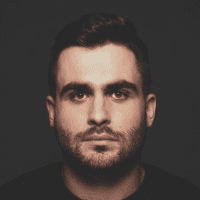
Jakub Filip Jabłoński DE / ENG / POL
CEO of The Hunting Hub
 contact@thehuntinghub.com
 +48 570 731 282
 Warsaw, Poland
01
Fill out the form
02
We will call you back within 24 hours
03
We will discuss your requirements
04
We will present you with an offer
 We will go on an adventure
Animal species