Eland
Eland is the world’s largest antelope, prized by hunters for its monumental size, impressive spiral horns and the challenge of hunting this powerful representative of African megafauna. It is characterized by a massive body build reaching up to 900 kg in adult bulls, a fawn to gray-brown coloration with distinctive white vertical stripes on the flanks, a sagging jowl and long, spirally twisted horns found in both sexes. Hunting eland is a classic African safari experience, requiring excellent physical condition, the ability to shoot accurately at various distances, and knowledge of the herd behavior of this intelligent and cautious species.
Eland
All offers
 Kalahari
Hunting map
Where do you hunt for eland?
Eland comes in two main species distributed throughout East and Southern Africa. The common eland (Taurotragus oryx) inhabits vast areas from Ethiopia, Kenya, Tanzania, Uganda, Rwanda, through Zambia, Malawi, Mozambique, Zimbabwe, Botswana, Namibia, Angola, to South Africa and Lesotho. The giant eland (Taurotragus derbianus) is found in the savannah belt of West and Central Africa from Senegal, through Mali, Burkina Faso, Niger, Nigeria, Cameroon, Central African Republic, Chad, and South Sudan. South Africa offers the most professionally organized eland hunting in the provinces of Limpopo, North West, Northern Cape, Free State, Eastern Cape and KwaZulu-Natal, with excellent infrastructure of hunting ranches and the possibility of spectacular trophies. Tanzania provides classic eland safari hunting in the Selous, Ruaha, Maswa and northern concessions areas, where the animals reach impressive sizes in the wild. Zimbabwe offers hunts in scenic areas like Save Valley, Lowveld and western regions with professional guiding. Namibia provides hunting in a variety of landscapes from the Kalahari to mountainous areas with spectacular views. Zambia provides hunting in the Luangwa and Kafue valleys with traditional walking safari character. Botswana offers hunting in natural environments with limited hunting pressure. Cameroon and the Central African Republic allow extremely rare and exclusive hunts for giant eland, the largest subspecies, although availability is limited due to political instability and logistical challenges. All of these destinations combine the opportunity to capture the world’s largest antelope, a variety of landscapes from open savannas to miombo forests, and a comprehensive African safari experience.

Hunting calendar
When to hunt for eland?
The eland hunting season varies from country to country and region to region. In South Africa, hunting is available year-round, although the optimal period is during the dry and cooler months of April through September. Early autumn and winter, especially from May to August, offer comfortable temperatures, excellent visibility through low vegetation and animals concentrating around water sources. July and August are peak season with ideal conditions for hours of stalking after massive bulls. In Tanzania, the main season runs from July to October and January to March, avoiding the rainy seasons. July, August and September are the peak season, when elans are most active and visible in the open savannas. Zimbabwe and Zambia offer the best conditions from May to October during the dry season, when the animals are predictable in their routes to watering holes. Botswana and Namibia have their optimal period from April to October. Eland is active both day and night, but the most intensive foraging is in the early mornings and late afternoons, with resting in the shade during peak heat.
When planning an eland hunt, be prepared for one of the most physically demanding hunting experiences in Africa. Despite its enormous size, the eland is surprisingly agile, capable of leaping more than 2 meters high and reaching speeds of up to 70 km/h, making it a difficult target despite its massive stature. Elands live in herds of a dozen to more than a hundred individuals, with mature bulls often leading solitary or small group lifestyles on the periphery of the main herds. Older bulls, the most valuable trophies, are characterized by darker, almost black coloration on the front part of the body, more massive horns and increased caution due to experience. Hunting is mainly done by stalking in open savannas or sparse bush, often requiring hours of marching on herd tracks in search of a mature bull. Elans are characterized by excellent sight, hearing and smell, and their position in open areas often allows them to spot danger from more than a kilometer away. Working with an experienced professional hunter (PH) and trackers is absolutely crucial to locating herds, identifying mature bulls by size, color and horn shape, and planning an intricate approach using terrain and wind direction. Shooting an eland requires proper gun calibration – due to its huge body mass and life force, magnum calibers of at least .300 Win Mag, .338, .375 H&H or larger are recommended, with premium ammunition for deep penetration and controlled expansion. Shooting typically takes place at distances of 150 to 300 meters using shooting sticks or shooting from a seated position, requiring precise placement into the vital zone behind the shoulder blade or into the shoulder zone for penetration of massive bone structure. The eland is an extremely resilient animal capable of a long run even when hit, requiring an excellent first shot and readiness for finishing shots. Ethics require that the hunter be physically prepared for the long trail after a wounded eland, which can last for hours in difficult terrain. The eland’s horns, especially in old bulls, reach lengths of up to 100 centimeters with a characteristic spiral and are among the most impressive trophies of African antelope. The evaluation of the trophy focuses on the length of the horns, the thickness of the base, the number and distinctness of the spirals and the overall massiveness. Skull preparations with horns or full taxidermy preparations of eland are spectacular exhibits due to their monumental size. The eland also provides an enormous amount of excellent meat (up to 400 kg from a single animal), making the hunt particularly valuable for local communities and safari personnel. Eland hunts are often part of larger safari packages, but because of the prestige of capturing the world’s largest antelope, many expeditions are dedicated specifically to the species. Regardless of location or date, hunting eland requires adherence to hunting ethics, selective shooting of mature bulls, excellent physical and shooting preparation, and respect for this monumental species that combines buffalo-like size with the grace and elegance of an antelope, offering one of the most rewarding and challenging African safari experiences.
Testimonies
The best hunt with us

See what customers who have hunted with us say about us.


Janusz K. - Polska

“The red deer hunt with The Hunting Hub was perfectly organized from start to finish. The hunting grounds were well chosen, the guides had excellent knowledge of the area and were very professional. The excitement during the rut and the quality of the trophy met all my expectations. I definitely recommend it.”
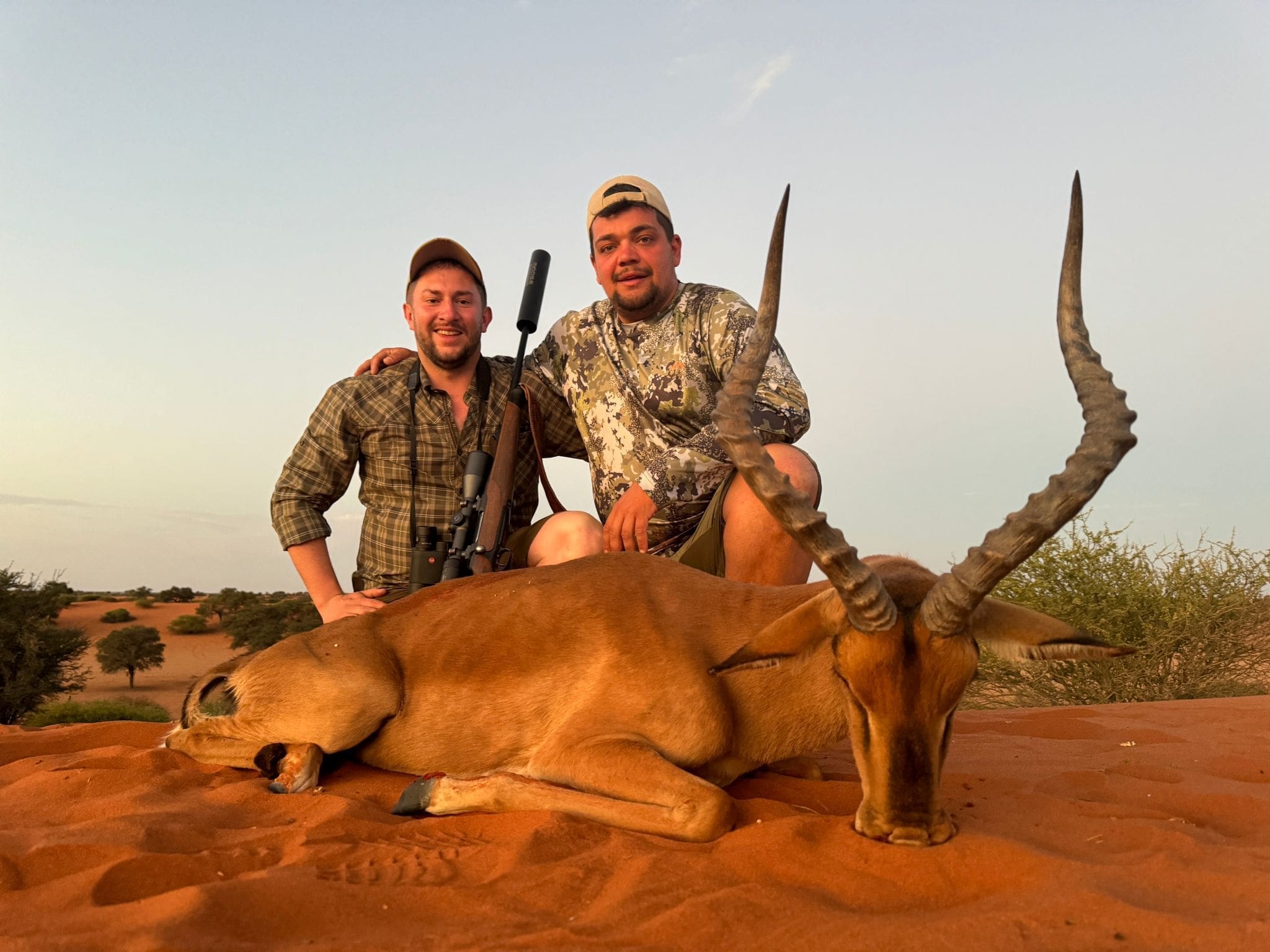
Arkadiusz Malarczyk "The trip to Namibia with The Hunting Hub exceeded my expectations. Impala, oryx, and other African species in their natural habitat, excellent logistics, and the vast knowledge of the local PHs. It was a real adventure of a lifetime, and definitely not my last trip to Africa."
Michael Schmiele - Germany
The roebuck hunt during the rut was perfectly timed and professionally guided. Great knowledge of the area and animal behavior resulted in real hunting opportunities. The Hunting Hub proved to be a reliable and highly professional outfitter.”
Jonathan - DaniaaJonathan - Denmark
An der von The Hunting Hub organisierten Drückjagd teilzunehmen war ein echtes Highlight. Hervorragende Organisation, hohe Sicherheitsstandards und außergewöhnlich viel Wild auf den Treiben
Peter Veerland - Netherlands
De muflonenjacht in Tsjechië met The Hunting Hub was een uitzonderlijke ervaring. Prachtige bergachtige jachtgebieden, sterke populaties muflons en zeer professionele begeleiding. Alles was perfect georganiseerd en het niveau van de jacht was bijzonder hoog. Absoluut een aanrader voor elke veeleisende jager
Contact
Contact us and ask about hunting with The Hunting Hub
Are you looking for an unforgettable hunting trip? Contact us via the form or by email/phone. We will listen to your needs and create the best offer for you.
We are here to answer your questions
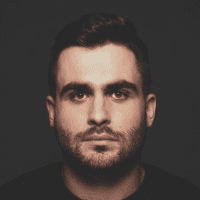
Jakub Filip Jabłoński DE / ENG / POL
CEO of The Hunting Hub
 contact@thehuntinghub.com
 +48 570 731 282
 Warsaw, Poland
01
Fill out the form
02
We will call you back within 24 hours
03
We will discuss your requirements
04
We will present you with an offer
 We will go on an adventure
Animal species