Black Faced Impala
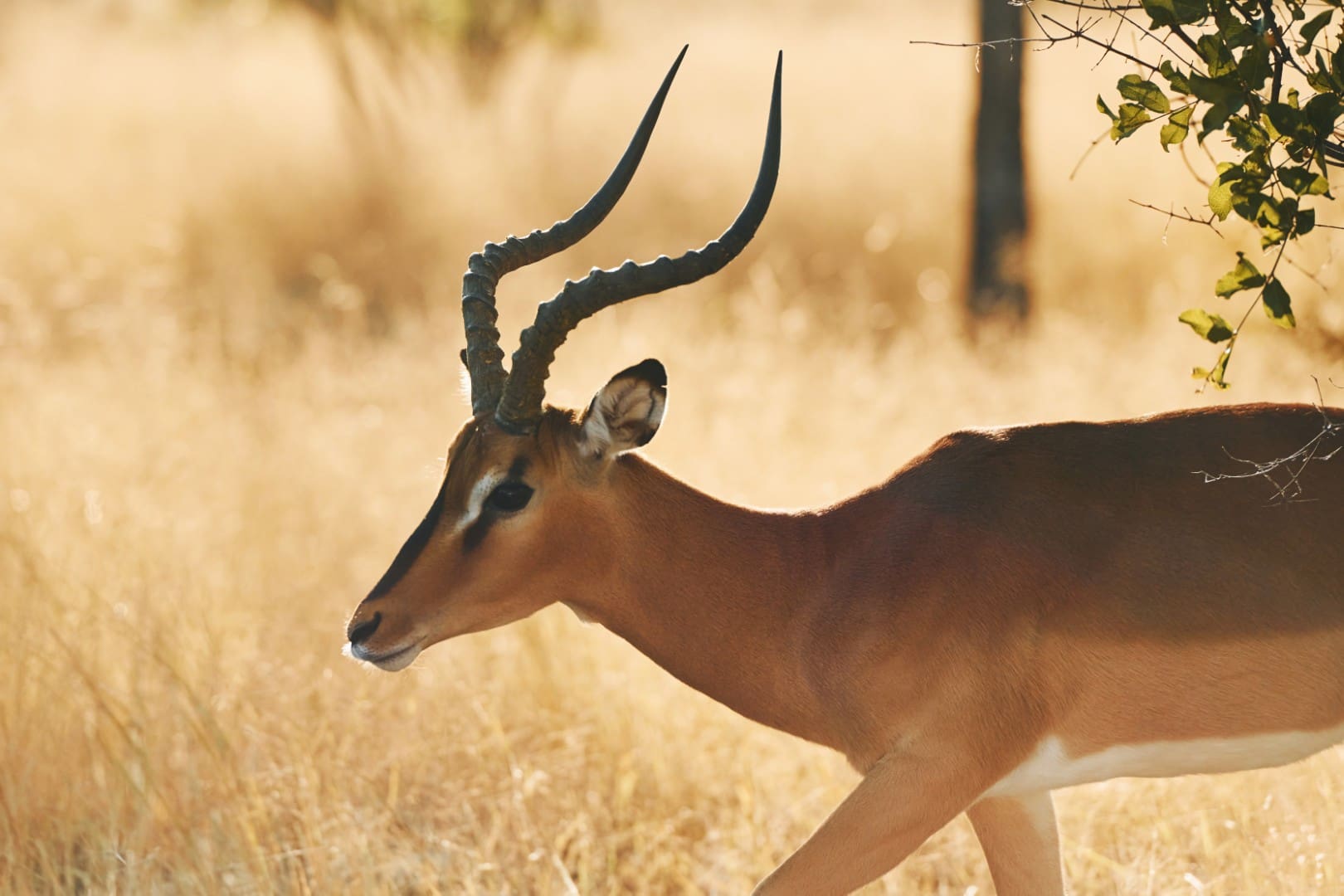
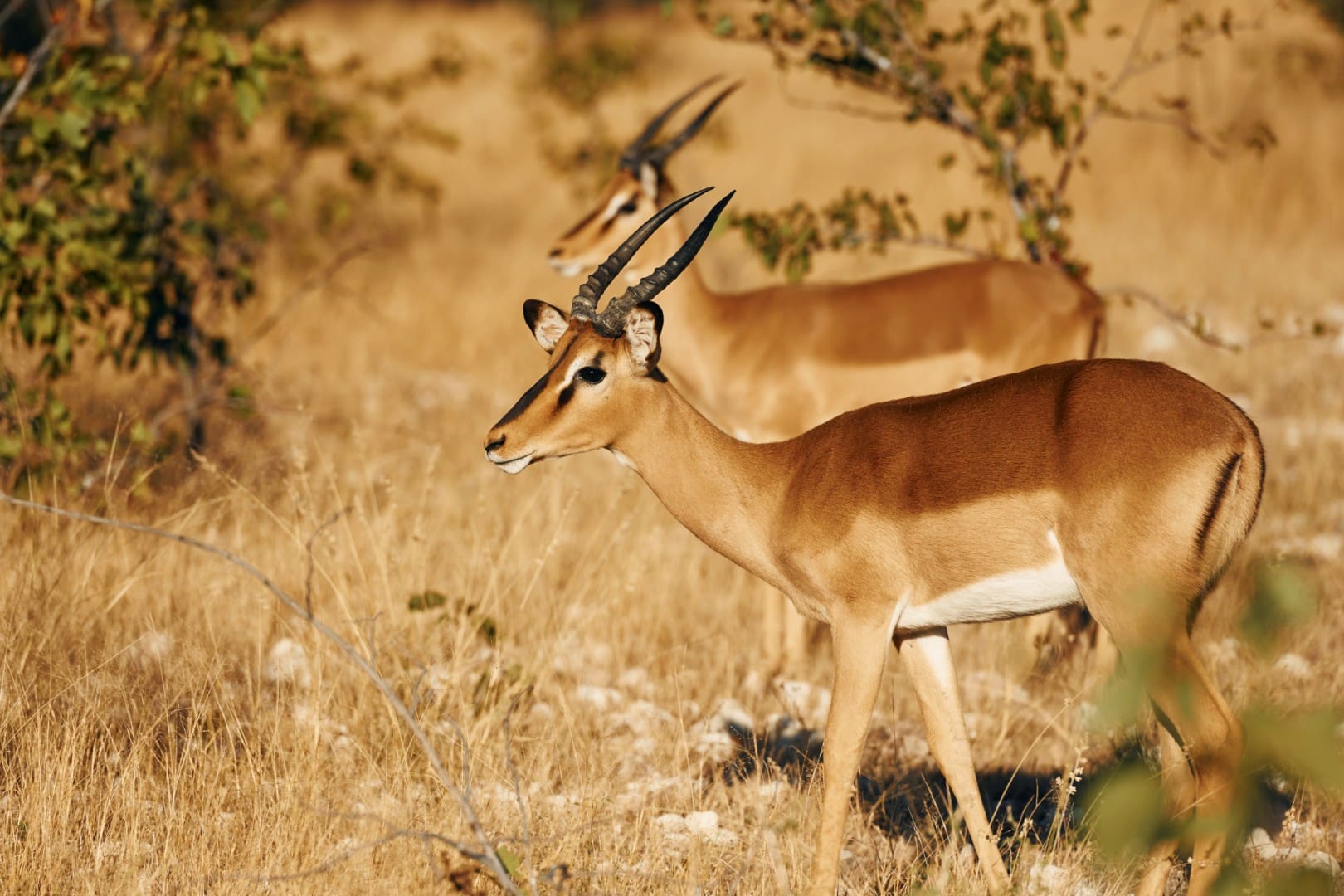
The Black Faced Impala is a rare and highly prized subspecies of impala, distinguished by its distinctive black mask on its muzzle, darker coloration and larger size compared to the regular impala. Males have elegant, lyrically curved horns reaching up to 90 centimeters in length, which are one of the most coveted trophies of African antelope. Hunting the Black Faced Impala is a prestigious hunting challenge, requiring the ability to shoot accurately in dynamic conditions, knowledge of herd behavior and awareness of the conservation status of this endemic subspecies found only in a limited range.
Black Faced Impala
All offers
 Kalahari
Hunting map
Where will you hunt for a Black Faced Impala?
Black Faced Impala is endemic only to the Kaokoland region of northwestern Namibia and the border area of southwestern Angola, making it one of the most geographically restricted subspecies of African antelope. Its range encompasses rugged desert-steppe areas along the Kunene River and its tributaries, characterized by extreme climatic conditions and sparse vegetation. Namibia offers virtually exclusive opportunities for legal hunting of the Black Faced Impala, particularly in the Kunene and Erongo regions, where there are hunting ranches working with local communities and conservation programs. Hunting this rare subspecies is strictly regulated by Namibian conservation authorities and only available under limited permits, making it an extremely exclusive hunting experience. A small number of professional outfitters specializing in hunting rare species offer expeditions to remote areas of Kaokoland, combining hunting the Black Faced Impala with other unique species of desert megafauna like the desert oryx, desert elephant and desert giraffe. All legal hunting takes place within the framework of conservation programs based on a sustainable use model, where high hunting fees fund habitat protection, population monitoring and support for local Himba communities living in the area. The complexity and exclusivity of the Black Faced Impala hunt makes it one of the most desirable and prestigious trophies for hunters collecting rare African subspecies.

Hunting calendar
When to hunt for Black Faced Impala?
The hunting season for the Black Faced Impala in Namibia officially lasts most of the year, although the most optimal period is during the cooler and dry months of April through October. Early autumn, especially April and May, offers pleasant temperatures after the heat of summer and the animals are active for most of the day, feeding on available vegetation before the dry winter arrives. Winter, from June to August, is the peak period for hunting in northwestern Namibia, when temperatures are comfortable, visibility is excellent through low vegetation, and Black Faced Impala concentrate around water sources along riverbeds and springs. September and October mark the end of the dry season with rising temperatures, but still very good hunting conditions and predictable movement routes for the animals. The rainy season from November to March should be avoided, when extreme heat in Kaokoland exceeding 40°C, occasional heavy rainfall and denser vegetation make hunting much more difficult. Black Faced Impala are most active during the early mornings and late afternoons, avoiding foraging during peak sunlight, which determines the rhythm of the hunting day.
When planning a Black Faced Impala hunt, be prepared for one of the most challenging and extreme hunting experiences in Africa. The Kaokoland region is one of the continent’s most remote, rugged and hard-to-reach areas, characterized by a desert-steppe landscape, rocky hills and scattered bushes. Hunting requires hours of 4×4 all-terrain vehicle travel over rugged trails and intense stalking on foot in extreme temperature conditions. Black Faced Impala live in small family groups led by a dominant male or in bachelor groups of young males, distributed in extensive territories along the beds of seasonal rivers and around water sources. They are characterized by excellent eyesight, hearing and vigilance due to the presence of predators like lions, leopards and cheetah, which requires extreme patience on the part of the hunter and the use of every available hiding place in sparse vegetation. Working with an experienced professional hunter (PH) specializing in Kaokoland and local trackers from the Himba tribe is absolutely crucial to the success of the hunt – their knowledge of the terrain, Black Faced Impala migration routes and water sources is invaluable. Shooting often takes place at distances of 100 to 200 meters using shooting sticks or natural supports, requiring a stable position and precise aiming at the vital zone. Black Faced Impala, although smaller than other antelope, are vital animals requiring proper shot placement for quick and humane acquisition. The ethical aspects of hunting this rare subspecies require special attention – the Black Faced Impala is a subject of conservation and monitoring its population is crucial for long-term survival. All legal hunting takes place within strictly controlled limits set by Namibia’s Ministry of Environment, with preference given to mature males already past their reproductive peak. The high cost of the Black Faced Impala hunt directly supports conservation programs for the species, anti-poaching efforts and the development of local communities managing conservancy lands. Regardless of the date, a Black Faced Impala hunt is the experience of a lifetime, combining the extreme conditions of the Kaokoland desert, contact with the unique Himba culture and the acquisition of one of the most exclusive and coveted trophies of the African bush, requiring the highest standards of hunting ethics and respect for the rarity of this unique subspecies.
STY
LUT
MAR
LIS
GRU
Testimonies
The best hunt with us

See what customers who have hunted with us say about us.


Janusz K. - Polska

“The red deer hunt with The Hunting Hub was perfectly organized from start to finish. The hunting grounds were well chosen, the guides had excellent knowledge of the area and were very professional. The excitement during the rut and the quality of the trophy met all my expectations. I definitely recommend it.”
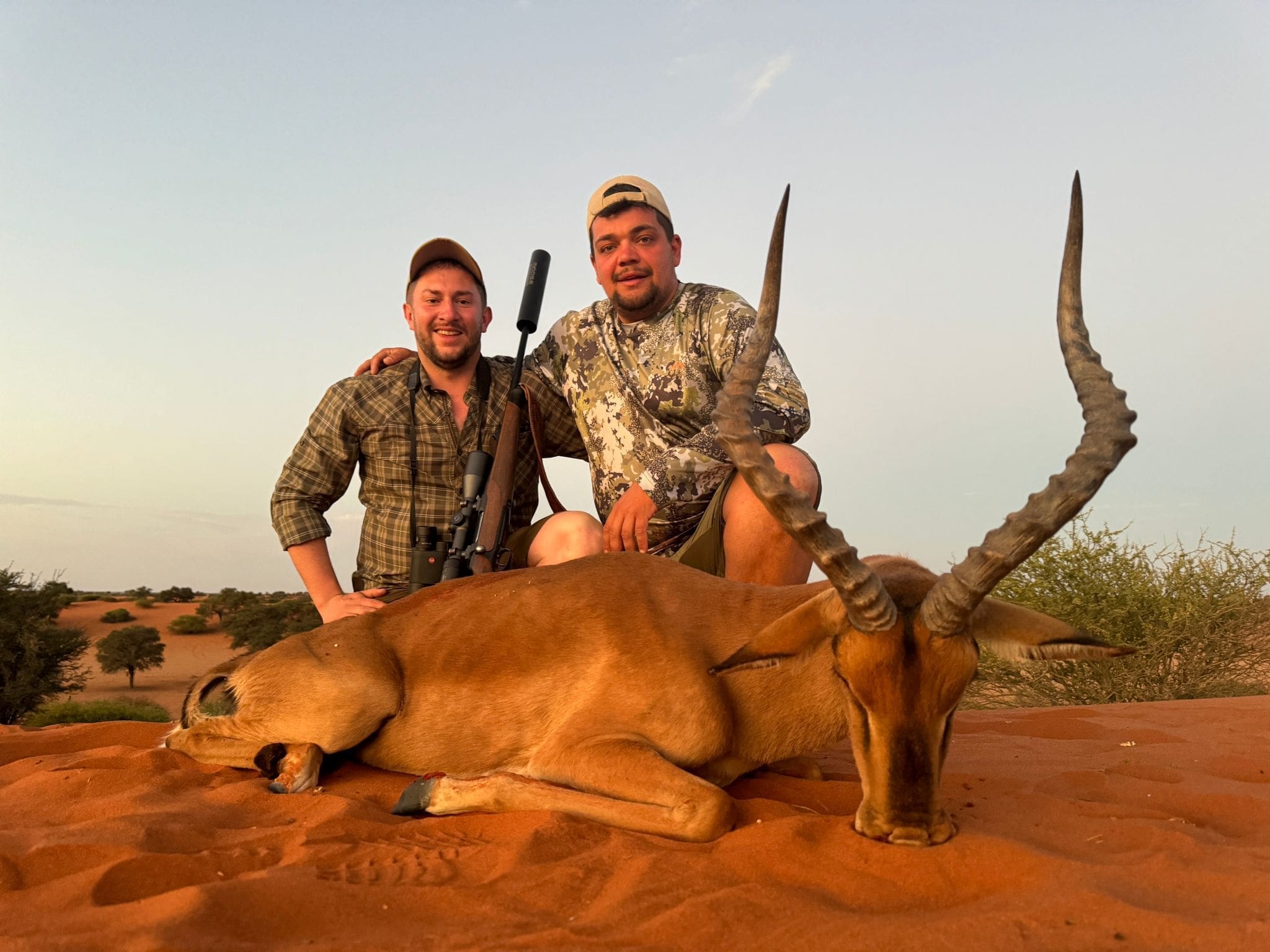
Arkadiusz Malarczyk "The trip to Namibia with The Hunting Hub exceeded my expectations. Impala, oryx, and other African species in their natural habitat, excellent logistics, and the vast knowledge of the local PHs. It was a real adventure of a lifetime, and definitely not my last trip to Africa."
Michael Schmiele - Germany
The roebuck hunt during the rut was perfectly timed and professionally guided. Great knowledge of the area and animal behavior resulted in real hunting opportunities. The Hunting Hub proved to be a reliable and highly professional outfitter.”
Jonathan - DaniaaJonathan - Denmark
An der von The Hunting Hub organisierten Drückjagd teilzunehmen war ein echtes Highlight. Hervorragende Organisation, hohe Sicherheitsstandards und außergewöhnlich viel Wild auf den Treiben
Peter Veerland - Netherlands
De muflonenjacht in Tsjechië met The Hunting Hub was een uitzonderlijke ervaring. Prachtige bergachtige jachtgebieden, sterke populaties muflons en zeer professionele begeleiding. Alles was perfect georganiseerd en het niveau van de jacht was bijzonder hoog. Absoluut een aanrader voor elke veeleisende jager
Contact
Contact us and ask about hunting with The Hunting Hub
Are you looking for an unforgettable hunting trip? Contact us via the form or by email/phone. We will listen to your needs and create the best offer for you.
We are here to answer your questions

Jakub Filip Jabłoński DE / ENG / POL
CEO of The Hunting Hub
 contact@thehuntinghub.com
 +48 570 731 282
 Warsaw, Poland
01
Fill out the form
02
We will call you back within 24 hours
03
We will discuss your requirements
04
We will present you with an offer
 We will go on an adventure
Animal species