Baboon
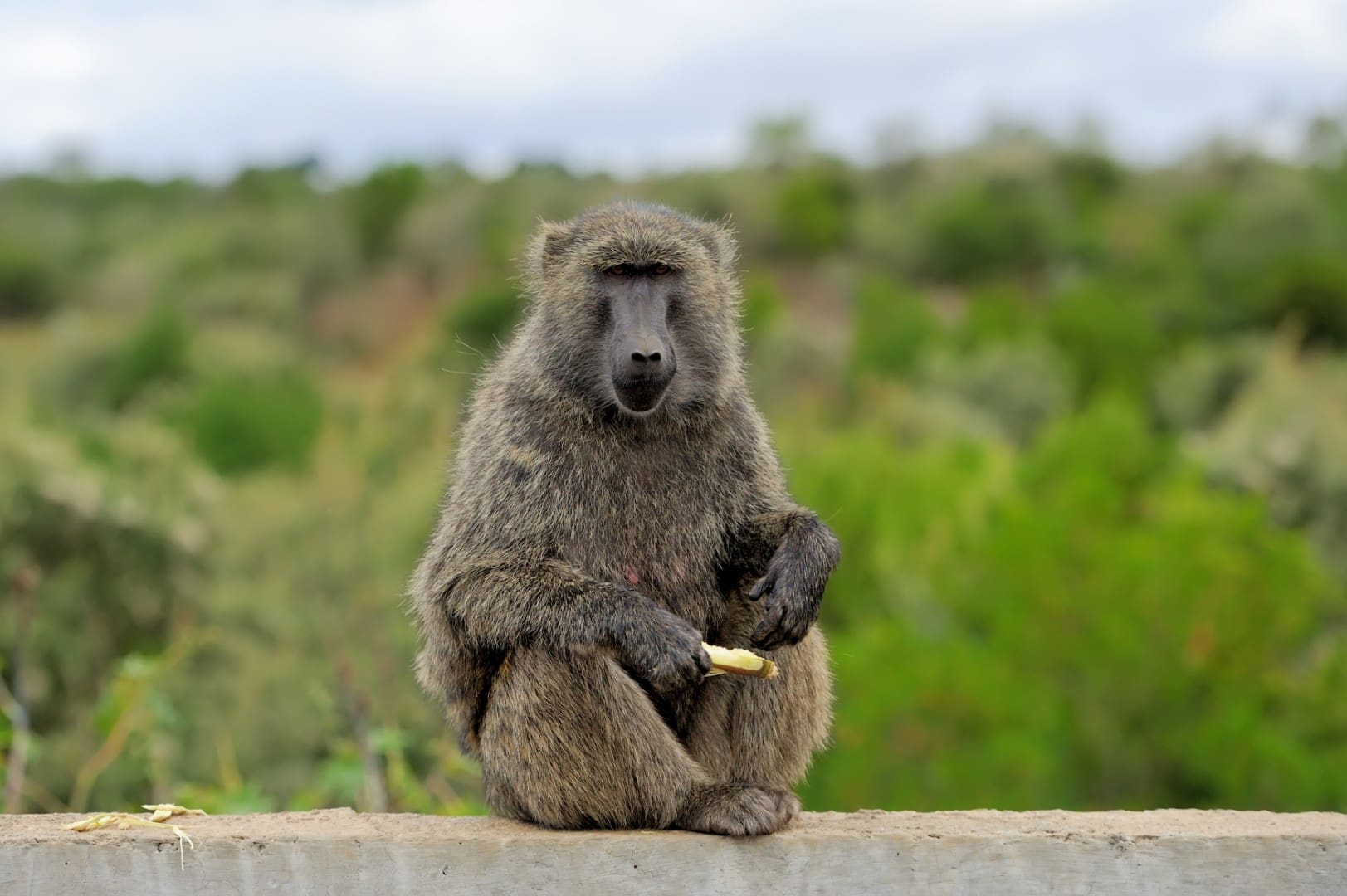
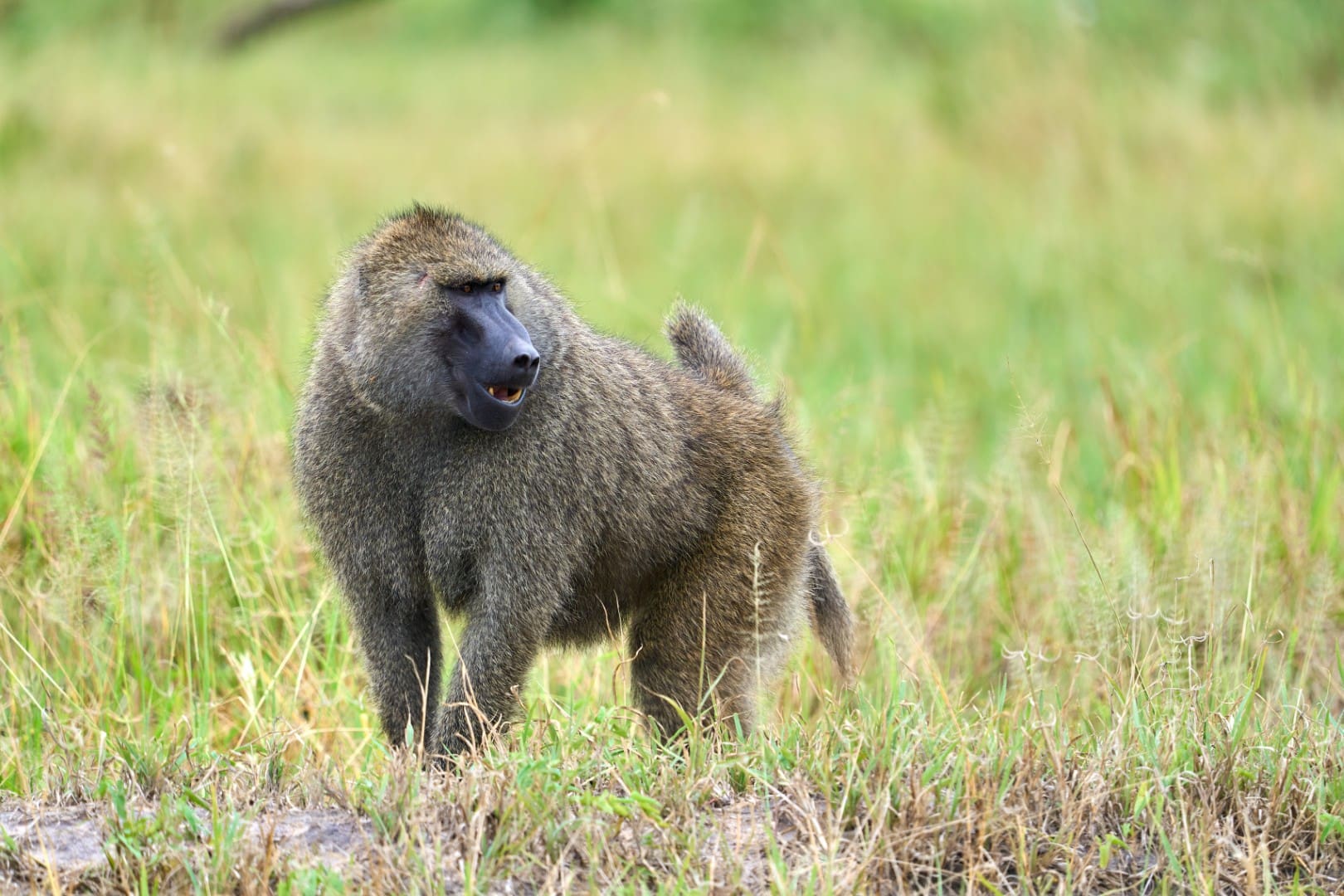
The baboon is an intelligent primate native to Africa and parts of Asia that presents unique and controversial hunting challenges. It is characterized by a massive body structure, powerful tusks in males, a long canine-like snout and a social lifestyle in organized groups. Hunting a baboon requires extreme caution, excellent knowledge of the animal’s behavior, precise shooting and awareness of the intelligence of this species, making this form of hunting one of the most mentally and ethically demanding. The baboon is often subject to population control due to crop damage and conflicts with humans.
Baboon
All offers
 Kalahari
Hunting map
Where do you hunt for a baboon?
The baboon occurs naturally throughout sub-Saharan Africa and parts of the Arabian Peninsula. The mantle baboon inhabits northeast Africa in Ethiopia, Eritrea, Somalia, Sudan and Djibouti. The olive baboon is found in a belt from Senegal and Mali through Burkina Faso, Niger, Nigeria, Cameroon, Central African Republic, Uganda, Kenya, Tanzania and Zambia. The yellow baboon inhabits eastern and southeastern Africa in Kenya, Tanzania, Mozambique, Zimbabwe, Zambia and Malawi. The bear baboon, the largest of the species, is found in southern Africa in South Africa, Botswana, Zimbabwe, Mozambique, Zambia, Angola and Namibia. The Arabian baboon inhabits the Arabian Peninsula in Yemen and Saudi Arabia. South Africa offers the most professionally organized bear baboon hunts in the Limpopo, KwaZulu-Natal, Eastern Cape and Northern Cape provinces, often as part of hunting packages for black bush species. Zimbabwe, Botswana and Namibia provide hunts in spectacular savannah landscapes with opportunities to combine with other African species. Tanzania and Zambia offer hunts in areas of the Great Rift Valley and river valleys where baboons live in large groups. Ethiopia allows hunting of the mantle baboon in mountainous areas. All of these destinations have in common the need to manage baboon populations due to conflicts with local populations and damage to agriculture, which legitimizes hunting control of the species.

Hunting calendar
When to hunt for a baboon?
The hunting season for the baboon in most African countries lasts year-round, as the species is not as strictly regulated as other game animals due to its pest status. However, the optimal hunting season in southern Africa is during the dry months of May through October, when visibility is best, vegetation is less dense, and animals concentrate around water sources. Late autumn and winter, especially June, July and August, offer comfortable temperatures and excellent conditions for observing animals in open areas. In East Africa, the dry season from June to October and December to March are the most favorable periods. Baboons are most active during the early mornings and late afternoons, when they leave their roosting sites in trees or on rocks and move in search of food. Local climatic conditions and the preferences of individual hunters should be taken into account.
When planning to hunt a baboon, it is crucial to understand the social group structure and defensive behavior of this intelligent primate. Baboons live in complex hierarchical groups of a dozen to more than a hundred individuals, with dominant males protecting the family. Hunting requires extreme caution, as baboons are characterized by excellent eyesight, hearing and intelligence to quickly recognize danger. Experienced hunters recommend stealth or stealth hunting in the early morning hours, when groups are foraging in clearings, near agricultural fields or along riverbeds. Working with a professional guide is essential to properly identify mature males and avoid shooting females with young. Shooting often takes place at distances of 50 to 150 meters, requiring precise targeting due to the animal’s small lethal zone and long life span. The ethical aspects of hunting primates require special thought and awareness on the part of the hunter – the baboon should be treated with respect as a highly evolved animal. Many baboon hunts are for control purposes, to protect crops and reduce human-animal conflicts, which gives them an additional economic context. Whatever the motivation, hunting a baboon requires the highest ethical standards, a humane approach and adherence to all local conservation laws.
Testimonies
The best hunt with us

See what customers who have hunted with us say about us.


Janusz K. - Polska

“The red deer hunt with The Hunting Hub was perfectly organized from start to finish. The hunting grounds were well chosen, the guides had excellent knowledge of the area and were very professional. The excitement during the rut and the quality of the trophy met all my expectations. I definitely recommend it.”
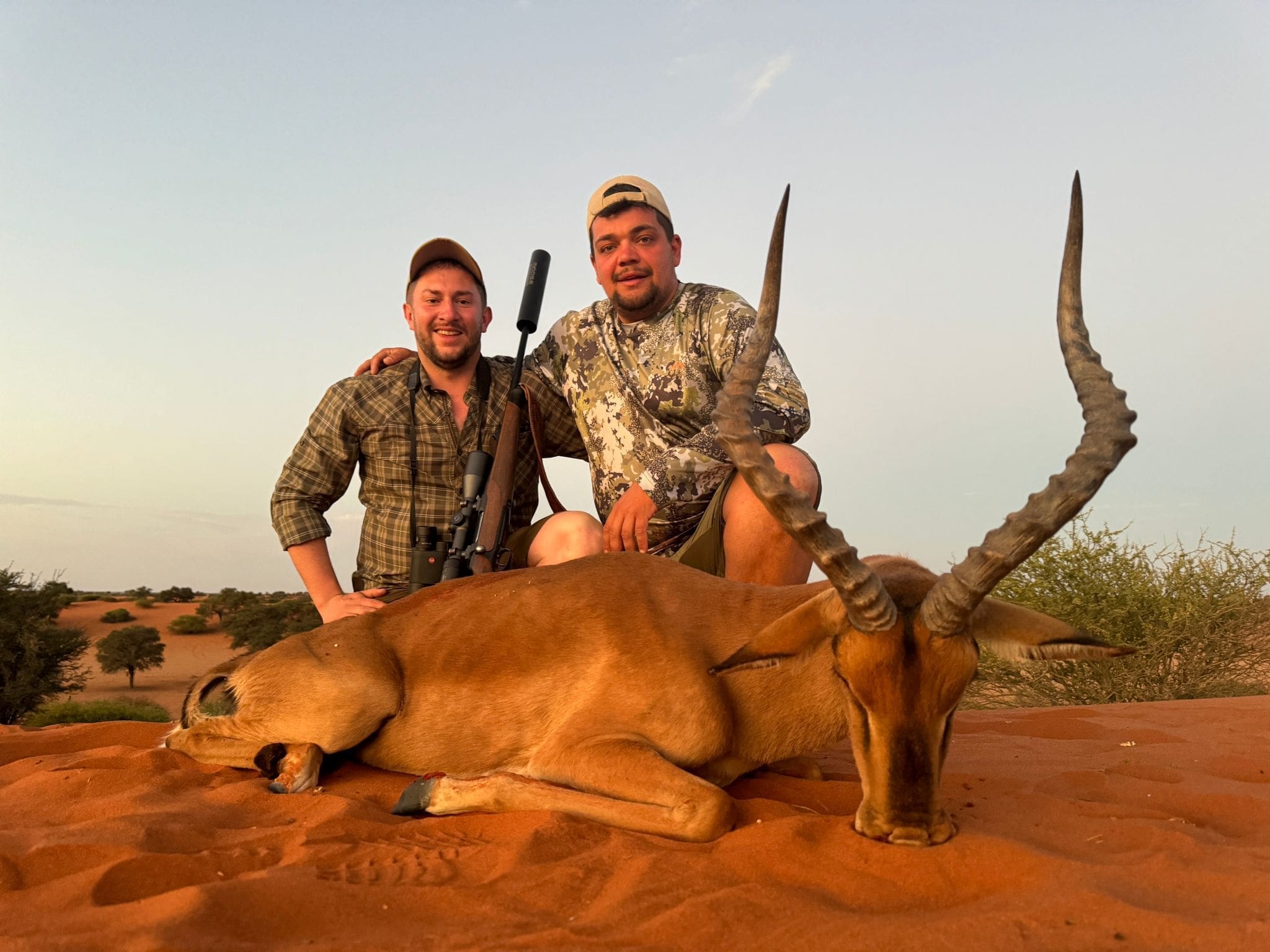
Arkadiusz Malarczyk "The trip to Namibia with The Hunting Hub exceeded my expectations. Impala, oryx, and other African species in their natural habitat, excellent logistics, and the vast knowledge of the local PHs. It was a real adventure of a lifetime, and definitely not my last trip to Africa."
Michael Schmiele - Germany
The roebuck hunt during the rut was perfectly timed and professionally guided. Great knowledge of the area and animal behavior resulted in real hunting opportunities. The Hunting Hub proved to be a reliable and highly professional outfitter.”
Jonathan - DaniaaJonathan - Denmark
An der von The Hunting Hub organisierten Drückjagd teilzunehmen war ein echtes Highlight. Hervorragende Organisation, hohe Sicherheitsstandards und außergewöhnlich viel Wild auf den Treiben
Peter Veerland - Netherlands
De muflonenjacht in Tsjechië met The Hunting Hub was een uitzonderlijke ervaring. Prachtige bergachtige jachtgebieden, sterke populaties muflons en zeer professionele begeleiding. Alles was perfect georganiseerd en het niveau van de jacht was bijzonder hoog. Absoluut een aanrader voor elke veeleisende jager
Contact
Contact us and ask about hunting with The Hunting Hub
Are you looking for an unforgettable hunting trip? Contact us via the form or by email/phone. We will listen to your needs and create the best offer for you.
We are here to answer your questions

Jakub Filip Jabłoński DE / ENG / POL
CEO of The Hunting Hub
 contact@thehuntinghub.com
 +48 570 731 282
 Warsaw, Poland
01
Fill out the form
02
We will call you back within 24 hours
03
We will discuss your requirements
04
We will present you with an offer
 We will go on an adventure
Animal species